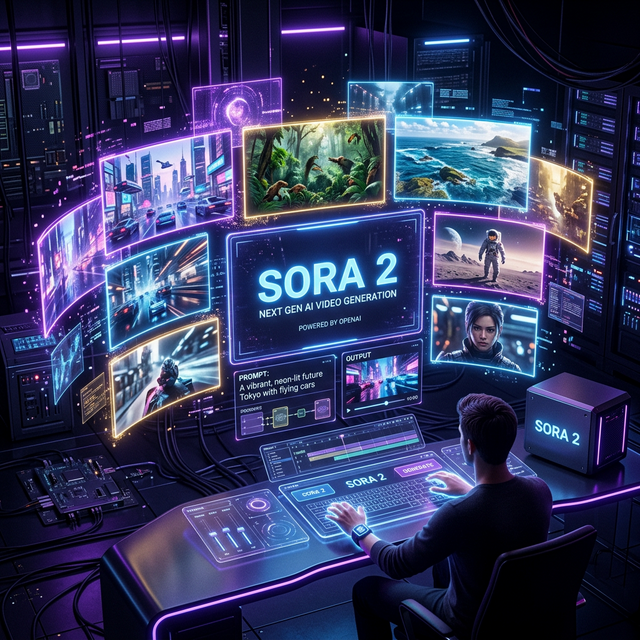
As an independent filmmaker with 15 years of experience, I was skeptical about AI video generation. Could Sora 2 really produce content worthy of a narrative short film? I decided to find out by creating a complete 5-minute film.
The Concept
I chose a simple sci-fi premise: a lone astronaut discovers signs of ancient civilization on Europa. This let me test Sora 2's strengths in landscape generation, character consistency, and atmospheric storytelling.
Pre-Production
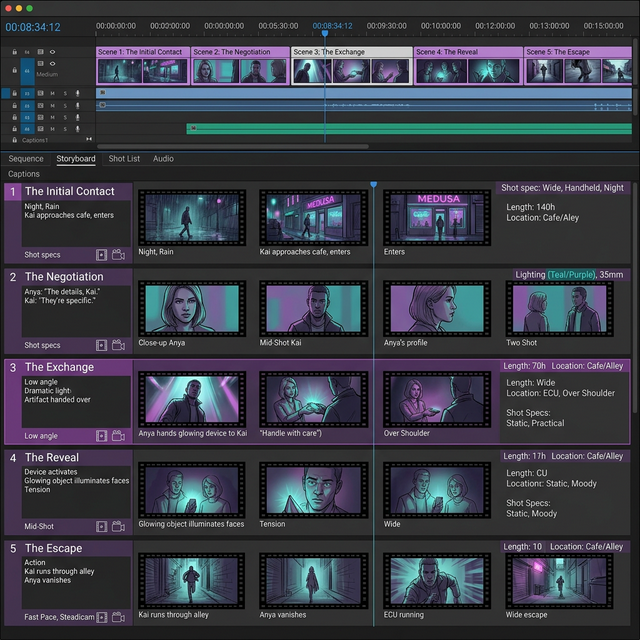
I wrote a traditional script and created shot lists, just as I would for any production. I then translated each shot into Sora 2 prompts, paying special attention to visual continuity.
Production Challenges
Consistency Maintaining visual consistency across 47 individual shots was the biggest challenge. Character Lock helped, but I still needed to regenerate about 30% of shots for visual matching.
Lighting Continuity AI models don't inherently understand scene lighting continuity. I had to explicitly describe lighting in every prompt to maintain consistency.
Emotional Performance Subtle human emotion is still beyond Sora 2's reliable capabilities. I worked around this with more environmental storytelling and voiceover.
Post-Production
I downloaded all clips via Soradown, then edited in DaVinci Resolve. Color grading helped unify the visual style. Original music was composed separately.
The Verdict
Sora 2 is not replacing filmmakers — it's empowering them. The technology is an incredible previs and concept tool. For certain types of content, it can produce final output. But nuanced human performance and precise artistic vision still require human direction.
Total cost: ~$40 in generation credits. Equivalent traditional production estimate: $50,000+.